
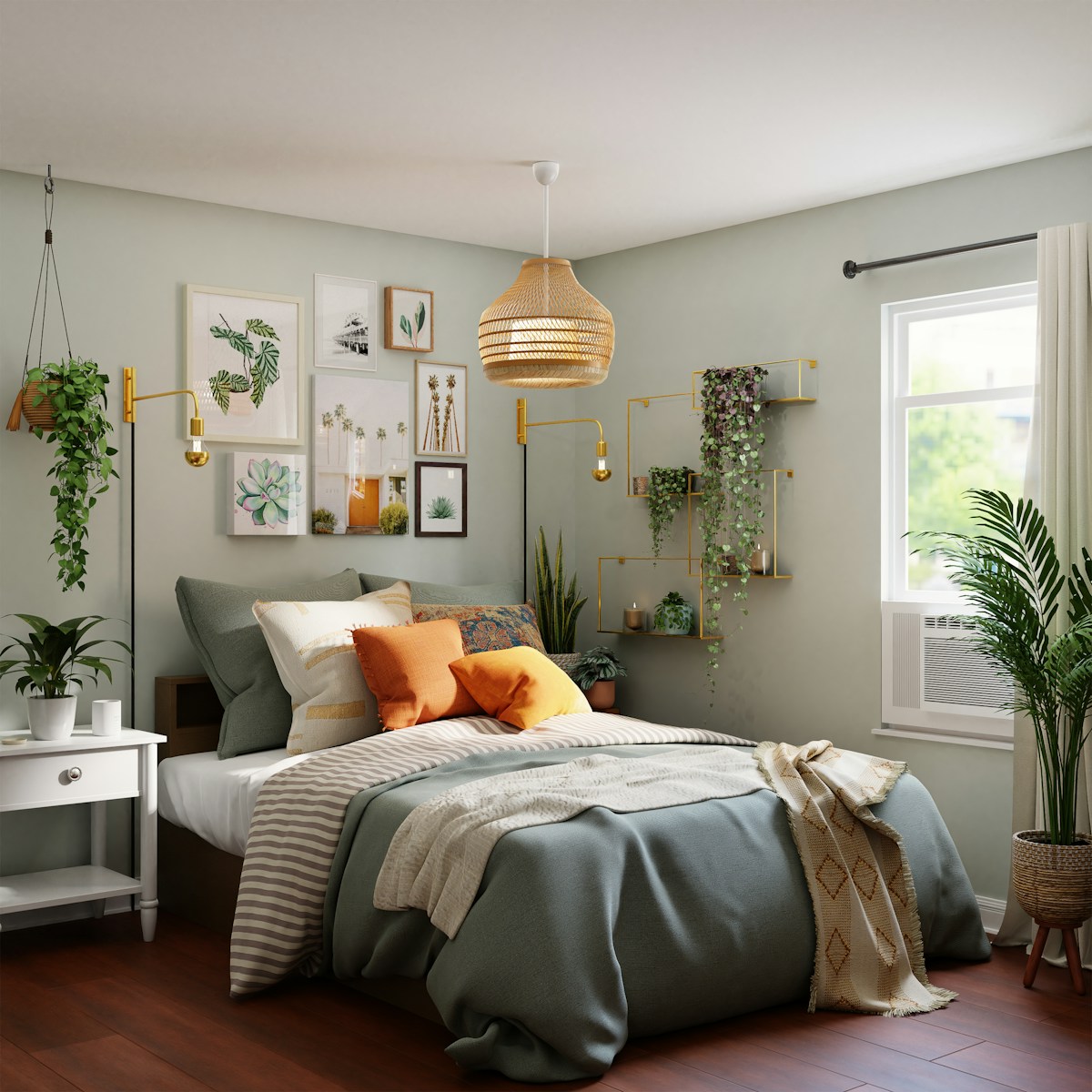
 Representative image
Building a Bohemian Home Around a Collection
Representative image for editorial illustration. It does not depict Fineline Design Pte. Ltd.'s actual employees, premises or completed work.
A bohemian interior starts with what the owners already have. That reverses the usual design process and suits older terraces and shophouses.
Most residential styles begin with a material palette and then source objects to fit it. A bohemian home usually goes the other way. It is built around things the owners already have, such as kilim rugs, hand-thrown ceramics, salvaged architectural fragments and textiles collected over years of travel.
That changes the designer's job. The work looks less like decorating and more like working backward from a pile of objects with no shared origin, deriving a floor plan and palette that let them sit together.
Older terraces and shophouses in areas like Joo Chiat and Katong often suit the style. Beams hidden above a later dropped ceiling, or Peranakan floor tiles found under vinyl during demolition, are the kind of discovery a bohemian renovation tends to expose and keep.
Layering is the main technique. Rugs overlap at doorways, and macramé, block-printed textiles and vintage suzanis hang against otherwise plain furniture. Empty space between pieces matters too, so the eye has somewhere to rest.
Worn materials are treated as a feature. A dining table with burn marks, or timber floors with their original nail holes, is usually left as it is because sanding away the history would undercut the premise.
Lighting can be awkward when a pendant collection has grown piece by piece. A discreet track along original ceiling beams lets pendants move or change without new electrical work.
Fineline Design describes its own approach as urban bohemian. It blends eclectic textures and patterned textiles against a restrained neutral backdrop, and mixes furnishings such as macramé and rattan with contemporary furniture. The firm says it aims for interiors that read as layered, not themed.
Images below are representative photography used for editorial illustration, not documentary photographs of this project.
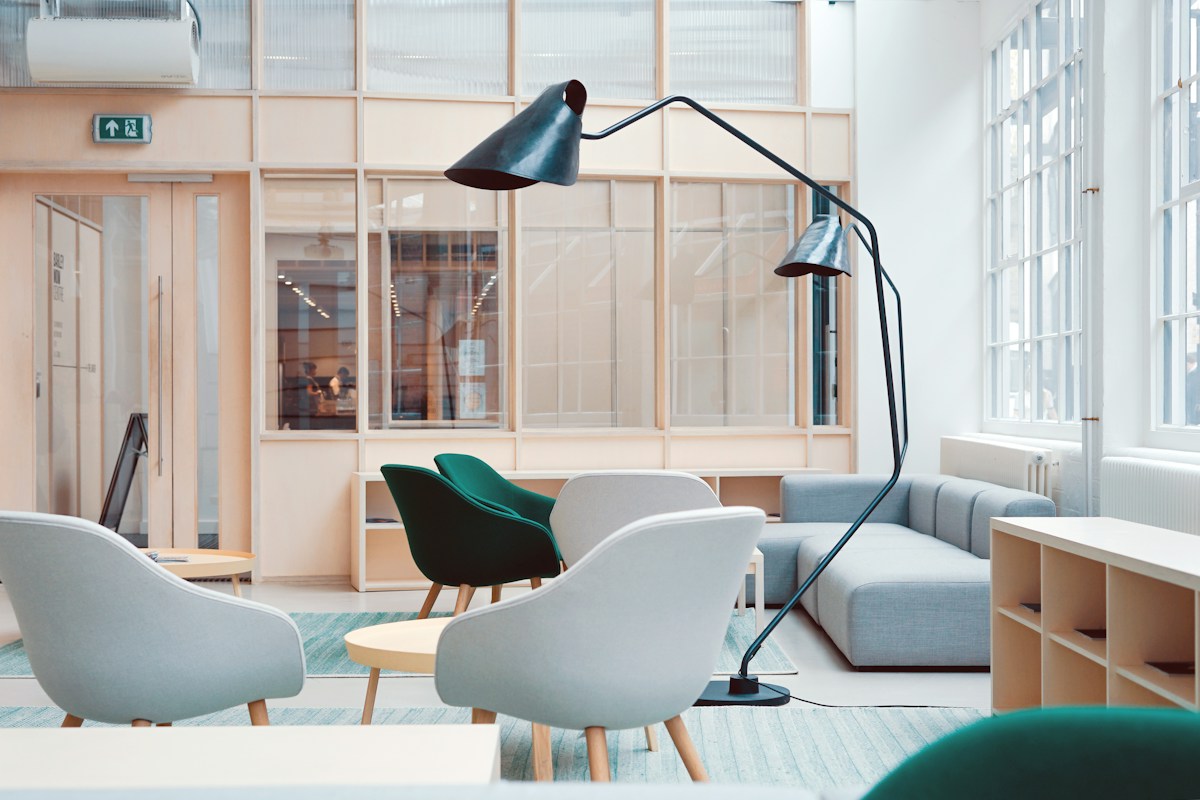 Representative imageRepresentative image
Designed by Fineline Design Pte. Ltd.