
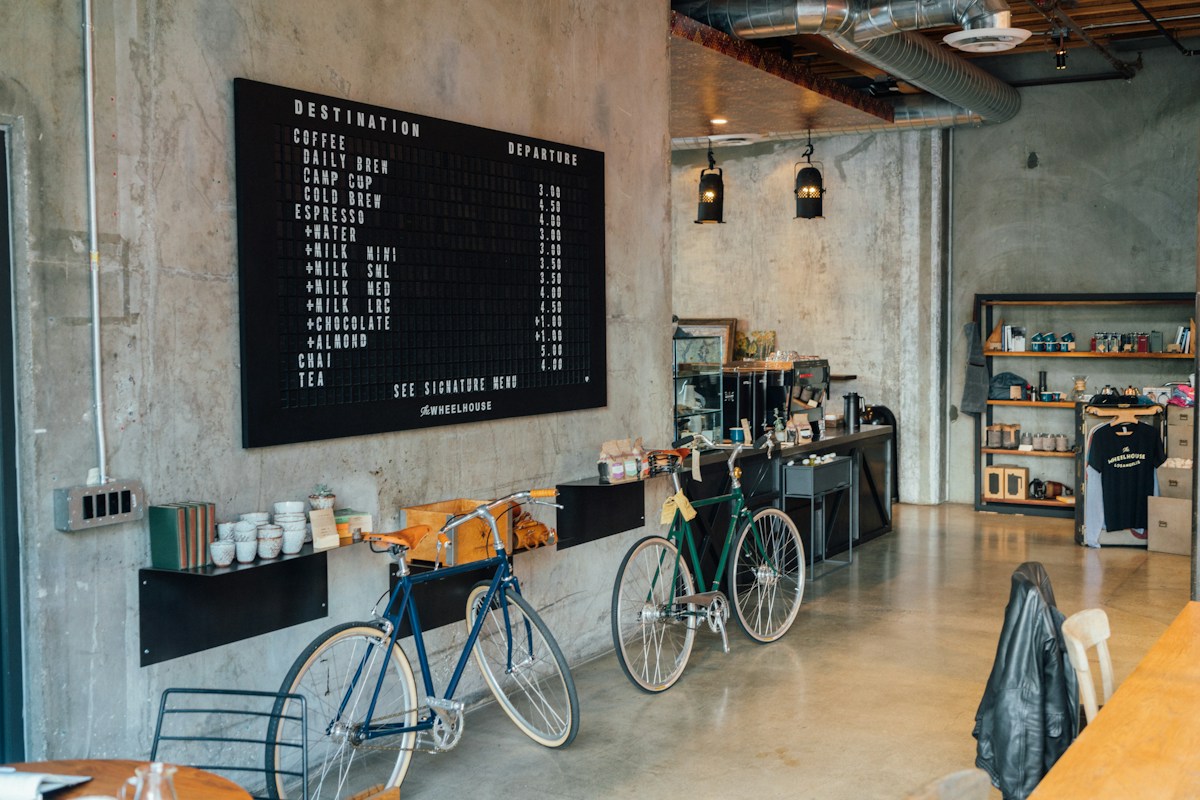
 Representative image
Renovating a Conservation Shophouse in Singapore
Representative image for editorial illustration. It does not depict February Interiors Pte Ltd's actual employees, premises or completed work.
Designer
February Interiors Pte LtdProperty Type
Landed
Location
Kallang, Singapore
Design Style
Industrial Chic
URA rules govern the facade. What happens inside is where conservation renovations most often go wrong, and it starts with a survey, not a mood board.
Conservation shophouses in Singapore are protected by URA guidelines that cover the exterior. The interior is left mostly to the owner, and that is where a renovation is most likely to go wrong. Owners of older shophouses often find rotted timber floors, leaking rear extensions and decades of ad hoc partitioning that has turned a long, narrow building into a row of small, dark rooms.
A sensible renovation begins with diagnosis. A structural survey establishes which walls are load-bearing, which timber can be saved and where water has damaged the brickwork. That survey shapes nearly everything after it, since the aim is to build with the building's original structure and not hide it behind new drywall.
The air well is one of the defining features of the type. If a previous renovation boarded it over, reopening it is a common early move because it restores the passive ventilation the building was designed around. It can mean relocating fixtures that were wedged into the space, but the result is a cross breeze through the ground floor that can reduce the need for air-conditioning.
Exposed brick works only where the masonry is sound. Where it has to be patched, one approach is to leave the repair visible instead of matching the colour, so the building shows its own history.
February Interiors, based at Crescent @ Kallang, offers a conservation shophouse renovation service. It works within URA guidelines and describes its approach as preserving original features such as timber beams, Peranakan tiles and air wells. It also offers heritage-appropriate lighting design meant to complement the conserved elements.
Approvals are the other big difference from a standard HDB or condominium job. Visible changes to a conserved shophouse need sign-off beyond an ordinary renovation permit, so owners should plan for that before they commit to a schedule.
Images below are representative photography used for editorial illustration, not documentary photographs of this project.
Representative imageRepresentative imageDesigned by February Interiors Pte Ltd