
Renovation Guide
Interior Design Mistakes to Avoid in Your Renovation
Common missteps in home renovations, from buying furniture before the layout is final to skimping on electrical planning, and how to avoid them.
- The most common mistake is sequencing: choosing furniture before carpentry and lighting plans are final tends to produce pieces that do not fit the finished room.
- Check paint swatches against your own home's actual light at different times of day, since showroom lighting and professional photos can both mislead.
- Under-specifying electrical points is expensive to fix once walls are finished, so plan power and switches before construction, not after.
The Sequencing Mistake
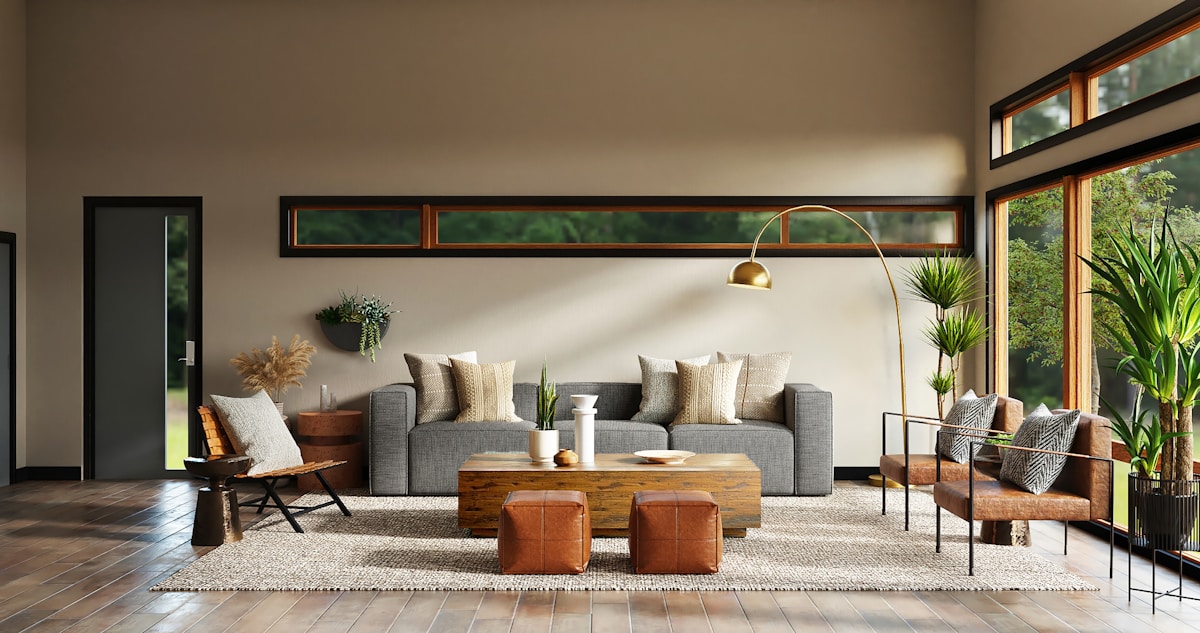
The most common mistake is sequencing. Choosing loose furniture and decor before carpentry and lighting plans are final tends to produce pieces that do not fit the finished room. Then you either keep something that does not work or buy again.
The safer order runs like this. Fix the floor plan and any structural changes, then lock in built-in carpentry and electrical and lighting points, and only then choose furniture, rugs and decor against the fixed dimensions.
Storage comes next. It costs more and looks worse when added after the layout is locked. A freestanding cabinet squeezed into a corner that was not designed for it seldom works as well as storage built into the original plan.
Colour and Reference Mistakes
Check colours in your own home. A paint that looks like a soft, warm grey under showroom lighting can shift under a north-facing window or pick up an undertone from your downlights. Look at swatches at different times of day.
Do not copy a single reference. A dramatic, moody room in a professional photograph can feel dark and gloomy under everyday lighting, and its proportions and climate may not match yours.
Electrical and Maintenance Mistakes
Do not skimp on electrical planning. Too few power points, no allowance for future appliances or switches placed without thinking about furniture are all expensive to fix once walls are finished. Check the maintenance needs of any finish too. Unsealed timber and honed stone need regular care, and normal wear can disappoint people who were not told to expect it.
Treat the Layout as a Starting Point
Treat the first layout as a starting point. Ask why a wall sits where it does, or why a room got the space it did, instead of accepting or rejecting it silently. Plan around living arrangements as well. Staying in a flat during hacking works often means more dust, noise and access limits than people expect.
Measure before you buy. Oversized statement pieces have to fit through doorways, the lift and corridors. Finally, do not compare your renovation with a friend's, since budgets, property conditions and priorities are rarely the same.