
Renovation Guide
Minimalist Home Design: A Practical Primer
What makes a minimalist interior work beyond removing furniture, and why it actually needs more storage planning, not less.
- A minimalist home needs more storage planning than a maximalist one, since every object not on display still needs a dedicated place to go.
- One dominant neutral colour paired with one textural counterpoint, raw timber, honed stone, undyed linen, keeps a restrained room from looking lifeless under Singapore's bright daylight.
- The style is not necessarily cheaper: built-in storage and disciplined materials concentrate cost rather than reduce it.
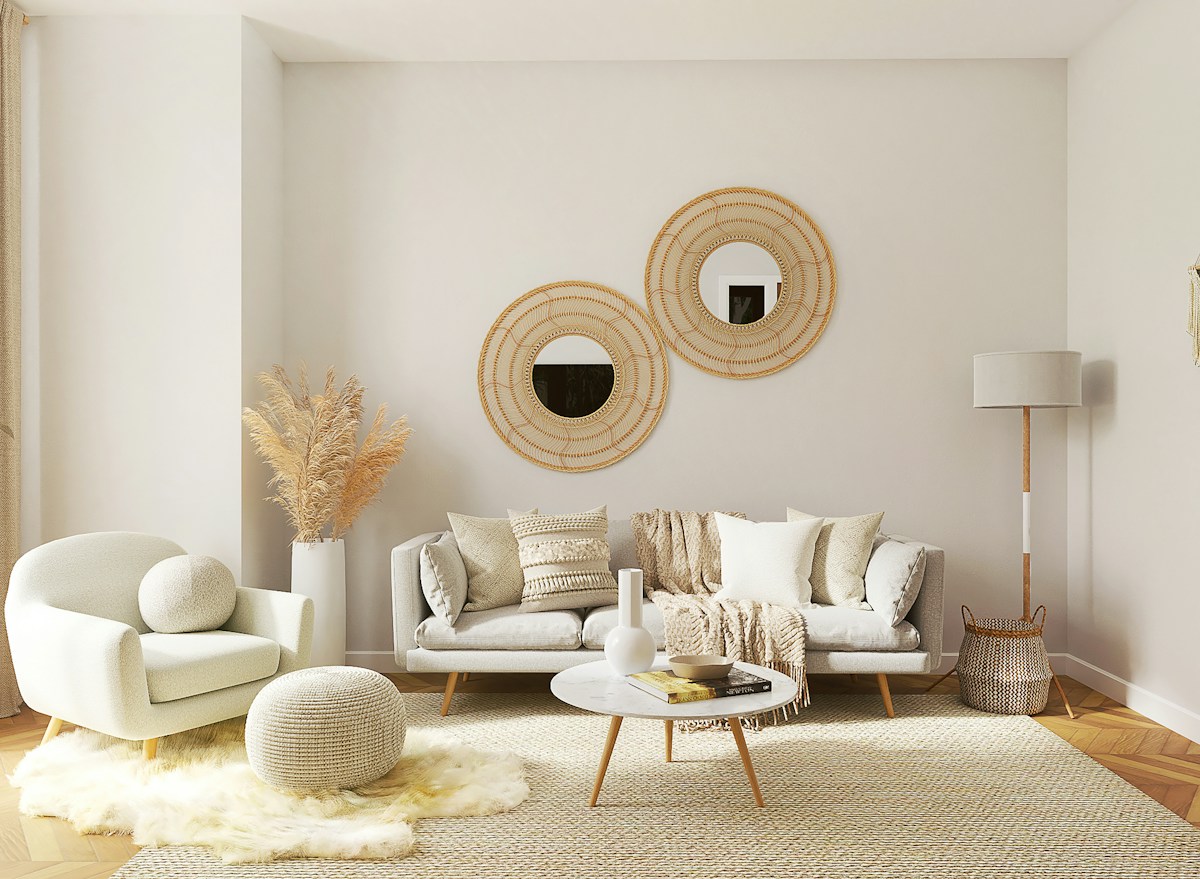
Why Minimalist Rooms Usually Fail
Minimalist rooms usually fail because nothing was planned for everything else the household owns. A minimalist home needs more storage planning than a maximalist one, since every object that is not on display still needs a dedicated place to go.
Begin with an inventory. Walk through the existing storage and sort belongings by how often they are used, seasonal or everyday, sentimental or practical. The exercise usually reveals storage needs you had not registered, and it shapes the carpentry plan better than a board of finished rooms.
Material Contrast and Lighting
Material contrast is the other common gap. A room made from one flat, uniform material and colour can look lifeless in Singapore's bright, consistent daylight, which shows every tonal variation and flattens anything monochrome. One dominant neutral, such as a warm off-white, pale grey or soft taupe, paired with one textural counterpoint works better. Examples include raw timber left with visible grain, a honed stone counter or nubbly undyed linen.
Lighting has nowhere to hide in a spare room. A few well-placed, good-quality sources tend to look better than many generic downlights. Keep white tones consistent across adjoining rooms, since warm and cool whites mixed together look disjointed.
Proportion, Cost and Who It Suits
Proportion matters more than in busier styles. A dining table or sofa that is slightly undersized reads as an oversight when little else competes for attention. Leave some walls and corners empty on purpose, and if the room feels cold, give one or two meaningful objects, such as a piece of art or a family heirloom, prominent display.
Minimalism is not necessarily cheaper. Built-in storage, durable furniture and disciplined materials tend to concentrate cost, and the savings come from buying fewer things over the life of the home. Areana Creation, which markets a minimalist, functional and clutter-free approach, is one local example of a firm built around this idea.
The best sign that a household suits the style is a willingness to part with belongings. No amount of carpentry substitutes for that. If you are unsure, try living in a pared-back space for a while before committing to a renovation.