
Sustainable Design
Low-Impact HDB Renovation: Materials, Ventilation and Light
- Reclaimed timber is the most visible choice.
- Cabinetry can use responsibly sourced plywood instead of the particleboard common in HDB renovations, which brings lower formaldehyde content.
- The biggest gain is often structural.
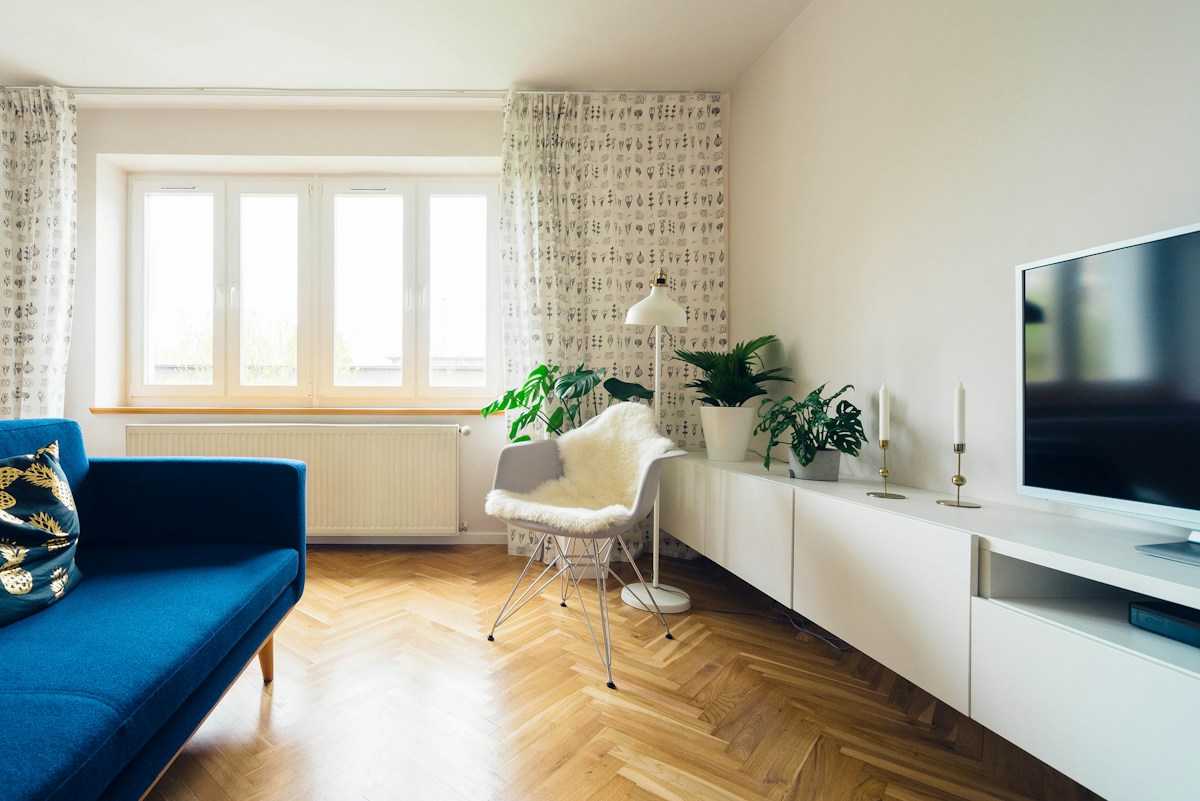
Sustainable renovation has become a normal line in HDB briefs, though what it means varies a lot. At its most rigorous it treats each material choice as an environmental one. Does the product have a traceable origin? Can an existing fixture be kept or refaced before the unit is stripped back to bare concrete?
Reclaimed timber is the most visible choice. Flooring salvaged from a demolished building, re-milled to an even thickness but left with its nail holes and wear, has a lower footprint and a grain that would be expensive to buy new. Supply depends on relationships with demolition contractors, because usable timber has to be pulled out before a site is cleared.
Cabinetry can use responsibly sourced plywood instead of the particleboard common in HDB renovations, which brings lower formaldehyde content. A natural oil finish on exposed timber avoids the volatile organic compounds a lacquer releases. Low-VOC paint applied to walls, ceilings and door frames, not just the visible surfaces, reduces the new-renovation smell that can linger for months.
The biggest gain is often structural. In older flats, years of partition changes frequently block the cross-ventilation path. Repositioning window openings and adding ventilation grilles above interior doorways can restore it, and airflow modelling during design can show whether a new layout moves air through the flat's full depth. That can cut a household's air-conditioning use.
Any change to a unit's external envelope, including moving a window, needs HDB approval separate from the standard renovation permit. Plan and submit it well before construction.
9creation, based at Tradehub 21 in Boon Lay, offers guidance on eco-conscious HDB renovation. It uses sustainable and recycled materials where they suit a project and looks at natural light and ventilation through operable windows, ceiling fans and vent placement to reduce a household's cooling load. A meaningful result depends less on a bigger budget than on a layout planned around where air and light can move.
Gallery
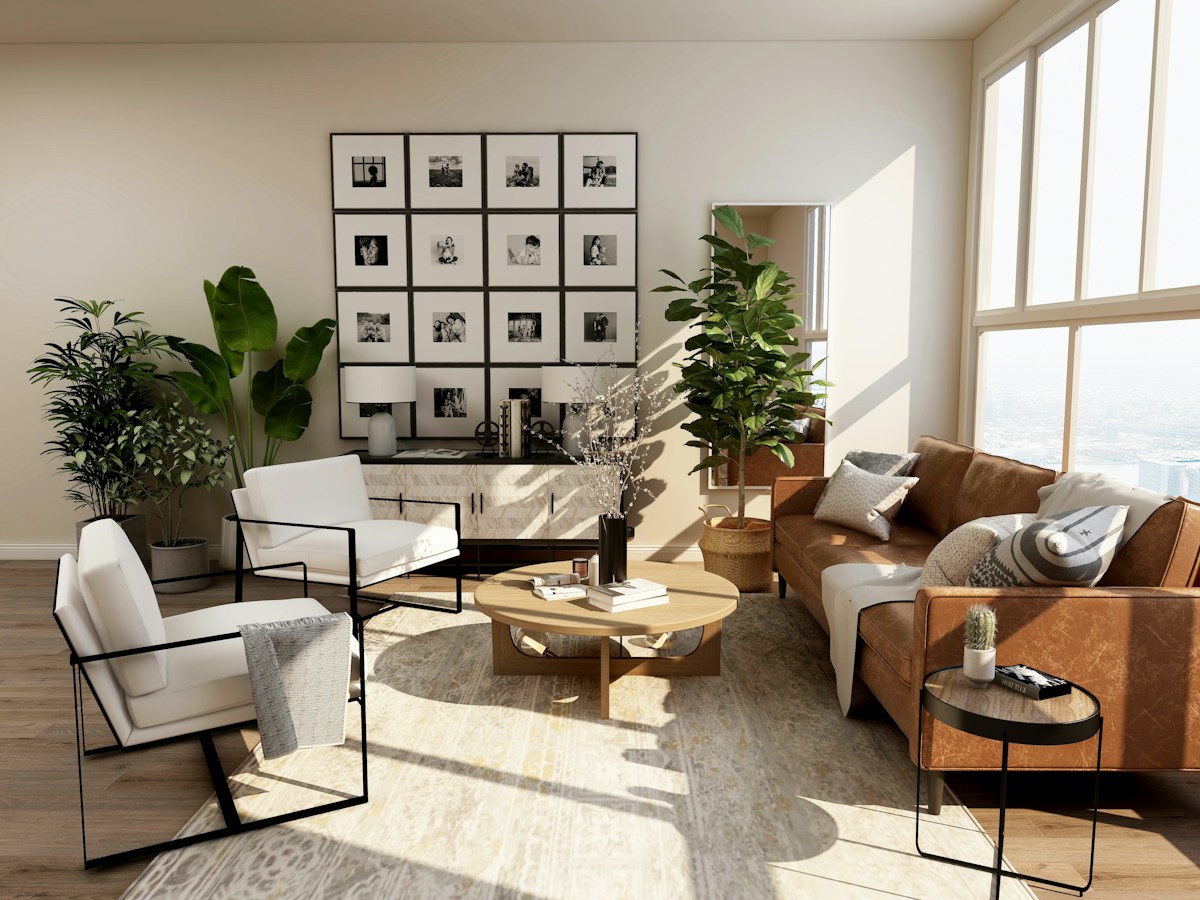
Living room with reclaimed timber flooring and cross-ventilation
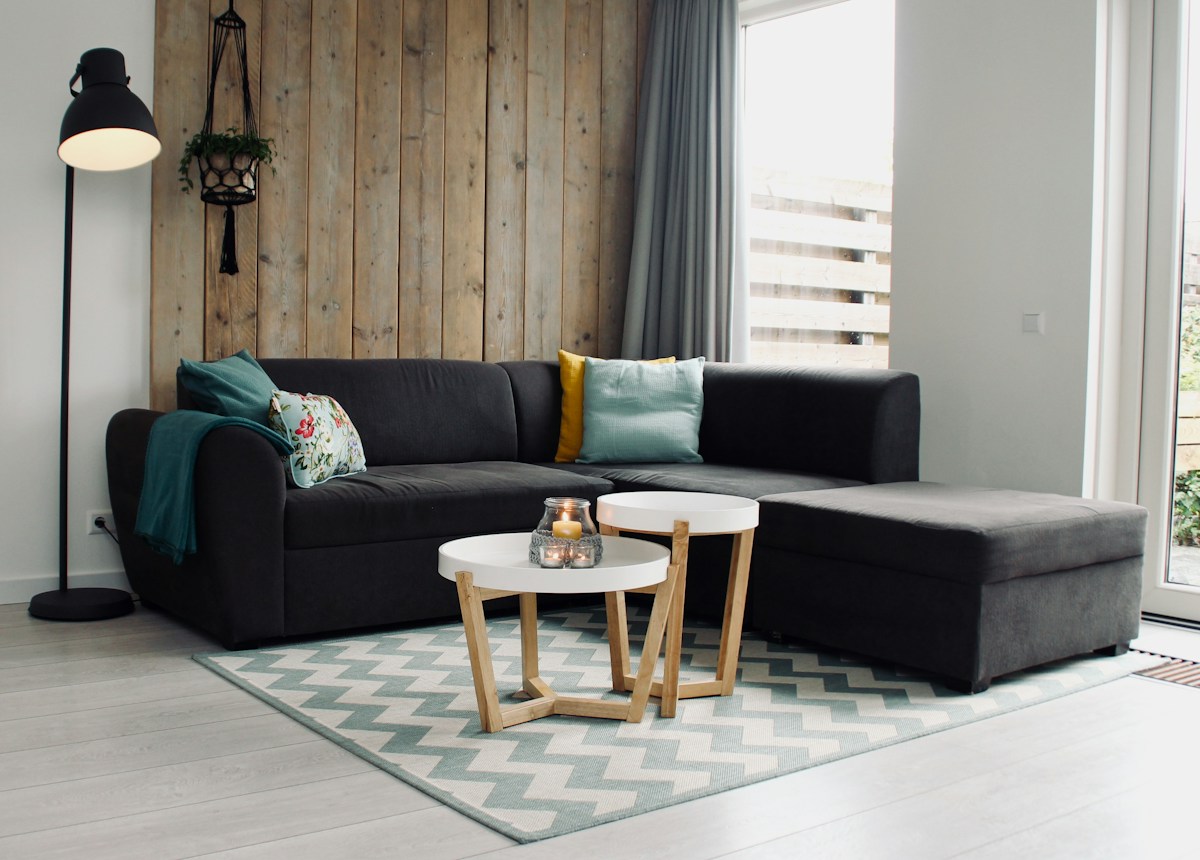
Kitchen with sustainably sourced cabinetry and low-VOC finishes
Featured Studio
9creation Pte Ltd →