
The Trade-Offs of Natural Materials in Singapore Homes
Solid timber, honed stone and rattan are popular again. Here is how they compare with engineered surfaces, and what to ask before choosing them.
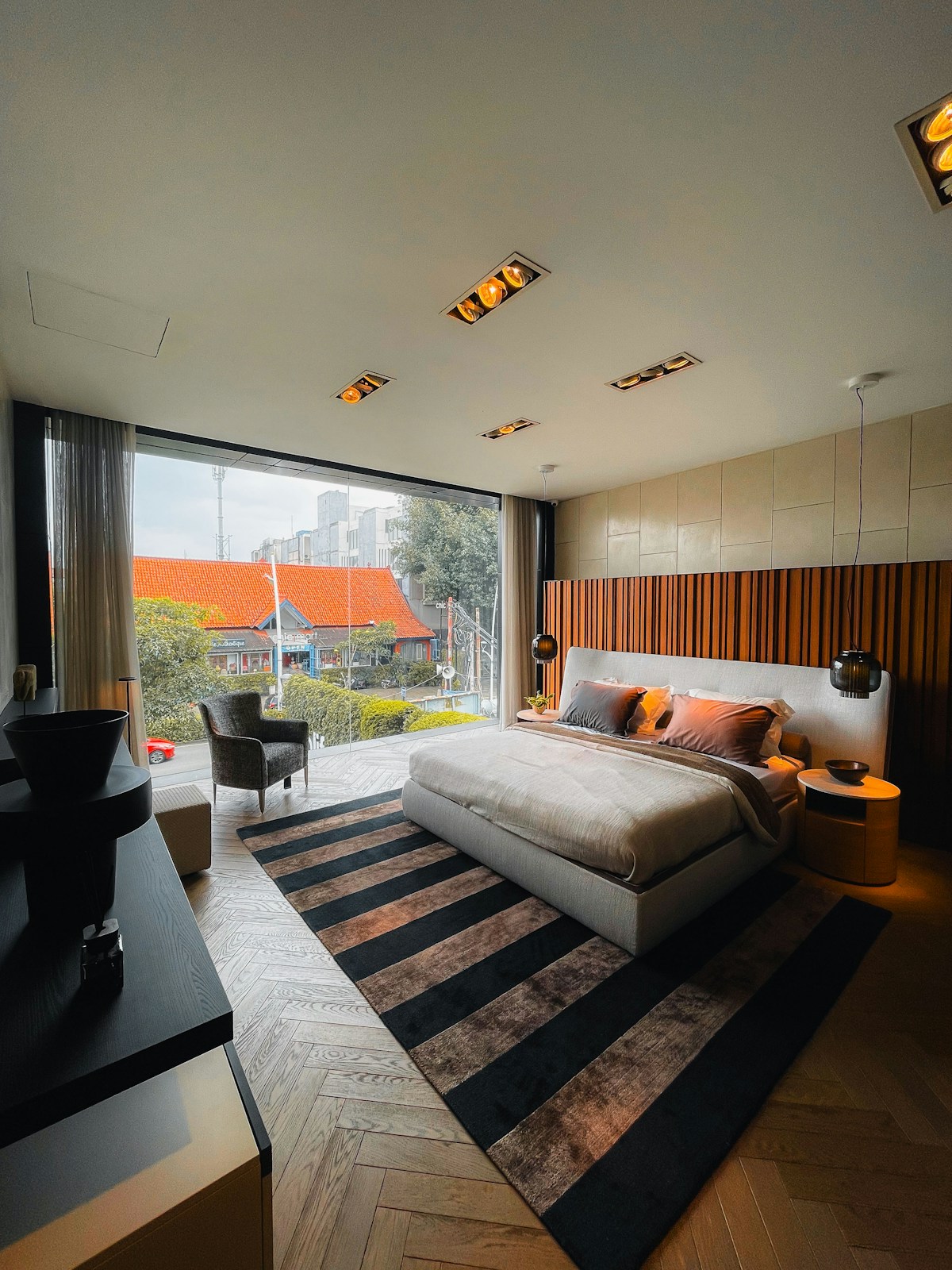
For years, Singapore renovations leaned on engineered surfaces. Laminates that imitate wood or stone offer consistent finish, predictable cost and easy maintenance, which matters on a tight budget. Natural materials now appear in more design coverage and firm portfolios, often left with their imperfections visible.
Timber is the clearest example. Solid boards keep their knots, colour variation and small marks, and a natural oil finish lets them develop a patina. Reclaimed timber adds the appeal of an older grain and a lower footprint, though supply depends on salvage and provenance is worth asking about.
Stone follows the same logic. A honed finish is more matte and tactile than polished stone, and slabs chosen for irregular veining look more individual than uniform ones. Rattan has moved beyond a single pendant or chair into woven dividers and cabinet fronts, where it contrasts with the smooth surfaces in most kitchens and bathrooms.
There are real trade-offs. Natural materials usually cost more than engineered equivalents. Oiled timber needs periodic reapplication and honed stone needs sealing. The piece you receive can also differ from the sample you approved. A client who expects a zero-maintenance surface from a material chosen for its changing character will be disappointed.
Warranty terms differ too. Suppliers may give shorter warranties on stock with more visible variation, so confirm what is covered before you commit.
Not every space suits them. Busy commercial floors and tight residential budgets are often better served by engineered options. A good middle path is a single feature, such as a reclaimed timber console or one honed stone counter, before committing a whole home.
For a sense of what is on offer locally, February Interiors describes preserving original timber beams and Peranakan tiles in conservation shophouses. MRETTY builds Art Deco furniture with solid wood carpentry and real metal inlays. Both show natural material used as a design feature and not a cost saving.