
Design Trends
Why Japandi Keeps Working in Small Singapore Homes
Japanese restraint plus Scandinavian warmth suits compact flats particularly well. Here is why the mix has outlasted most design trends in Singapore.
- Japandi has outlasted most trends because Japanese minimalism and Scandinavian design both independently solved for the same problem: small, dense housing.
- Floor-to-ceiling wardrobes and concealed utility areas directly answer the most common complaint about a small flat, that there is never enough room for things.
- Zenith Arc's Scandinavian-style package and Areana Creation's minimalist approach both sit close to this territory without marketing themselves as Japandi.
Why It Keeps Surviving "Over" Calls
Japandi pairs Japanese minimalism with Scandinavian warmth. It has survived several rounds of design media declaring it over. One likely reason is that it solves a practical local problem as well as looking good in photographs.
That problem is space. Singapore's HDB and condominium layouts are compact, and Japanese minimalism grew up around dense urban housing. Both traditions arrived at similar answers: little clutter, a lot of built-in storage and calm surfaces.
What Scandinavian Warmth Fixes
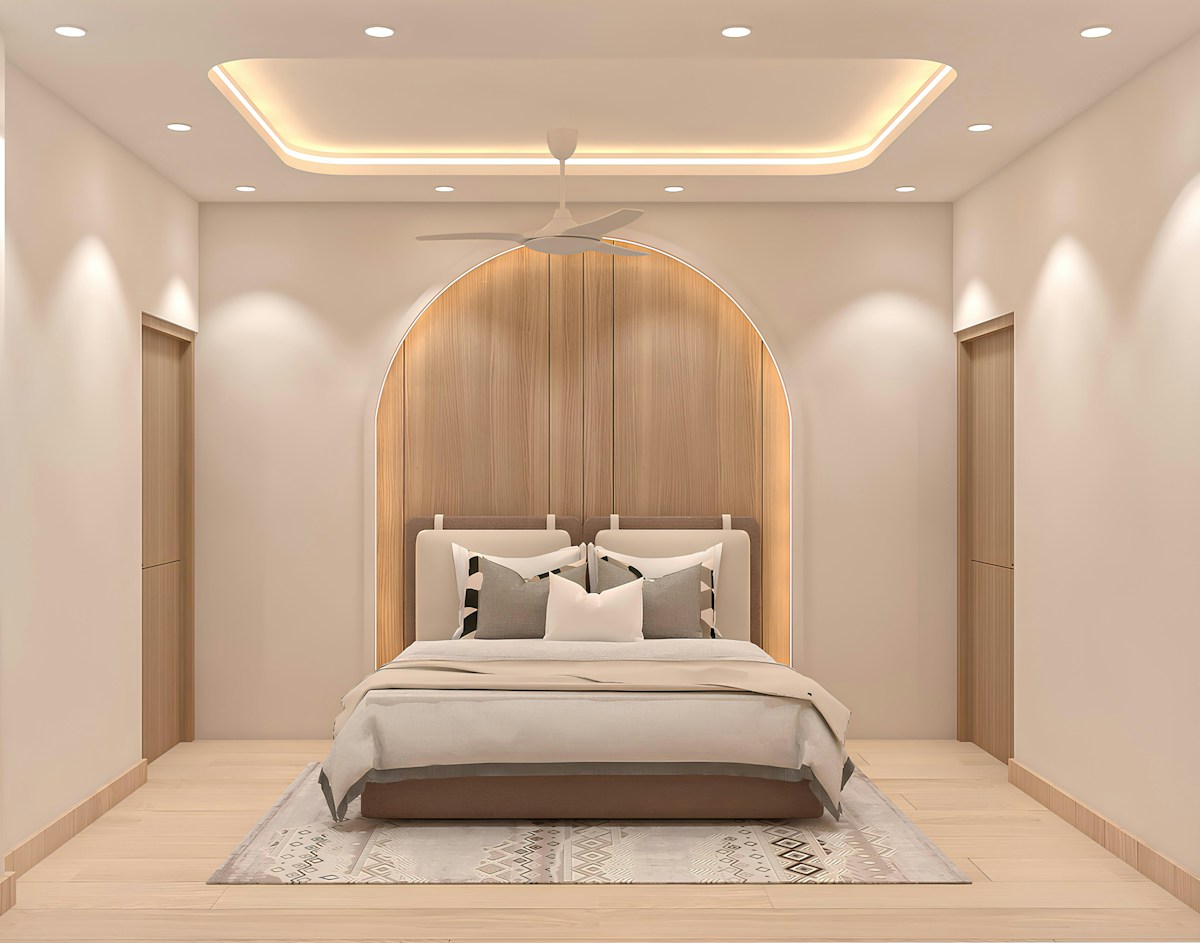
Scandinavian materials stop that discipline from turning cold. Pure minimalism can look stark, even institutional, under the fluorescent lighting common in older flats. Pale timber, textured wool and linen and soft ambient light correct that without giving up the spatial order.
Storage is a large part of the appeal. Japandi plans usually include floor-to-ceiling wardrobes, hidden shoe cabinets and concealed utility areas, which addresses the most common complaint about a small flat, that there is never enough room for things.
Why It Suits Renovating in Phases
The narrow palette also helps people who renovate in phases. Pale oak or ash, white or off-white walls and a few natural textiles mean a living room done this year and a bedroom done in two years will still look related. A bolder style would struggle to do that.
Where the Style Is Adapting
There are limits. Because the style is now common, a very faithful copy can look generic, and many designers push toward a warmer, less austere version with more visible wood and softer textiles. It is a sign the style is adapting.
Zenith Arc's Scandinavian-style package, built on light wood tones and space-saving furniture, and Areana Creation's minimalist approach sit close to this territory. Neither markets itself as Japandi, but both show why the neighbouring styles suit smaller homes.